Test Stand
2017 - Present
The test stand is probably the most important piece of equipment that DanSTAR has developed. At its core, it's a sturdy and portable steel frame with a fluid system, but in reality it's a complete test bed for testing everything from fluid system components to software implementation. It's a perfect and purely terrestrial replica of the Dragonfly rocket, which allows for highly accurate tests which simulate the systems inside the rocket. The key difference between the test stand and the rocket, besides being aerodynamically challenged, is the control suite. With its load cell, flow meters, and added solenoid valves it allows for much better measurements and control than what is available on the rocket.
Although the test stand project officially finished when the demo engine was successfully fired in the end of 2018, it will never truly be complete as it serves as a canvas to test new ideas in all aspects of rocket engine development and control.

Fluid System
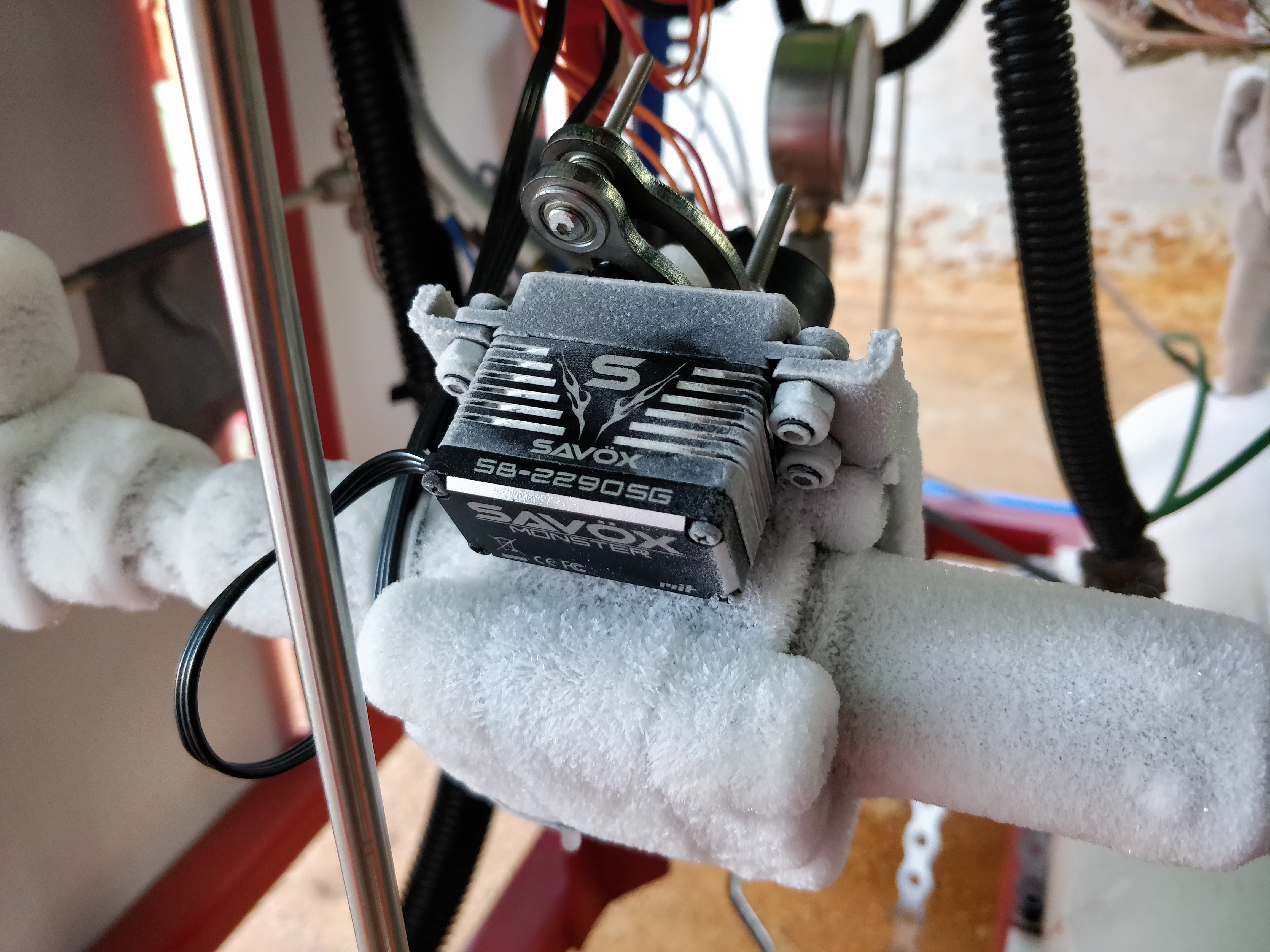
The test stand's fluid system is intended to emulate the one as seen in Dragonfly. This provides a test bed with close to the same conditions present as in the rocket itself, and build on the principles of 'test as you fly, fly as you test'.
Similar to the rocket, it contains three large volumes. A 10 L tank for storing the 300 bar dinitrogen, a 35 L insulated nitrous tank, and a 15 L fuel tank. This is approximately three times as large as seen on the rocket, allowing for quick turnover times between hot-fires by reducing fueling time as well as enabling longer duration engine burns to be test.
Mission Control
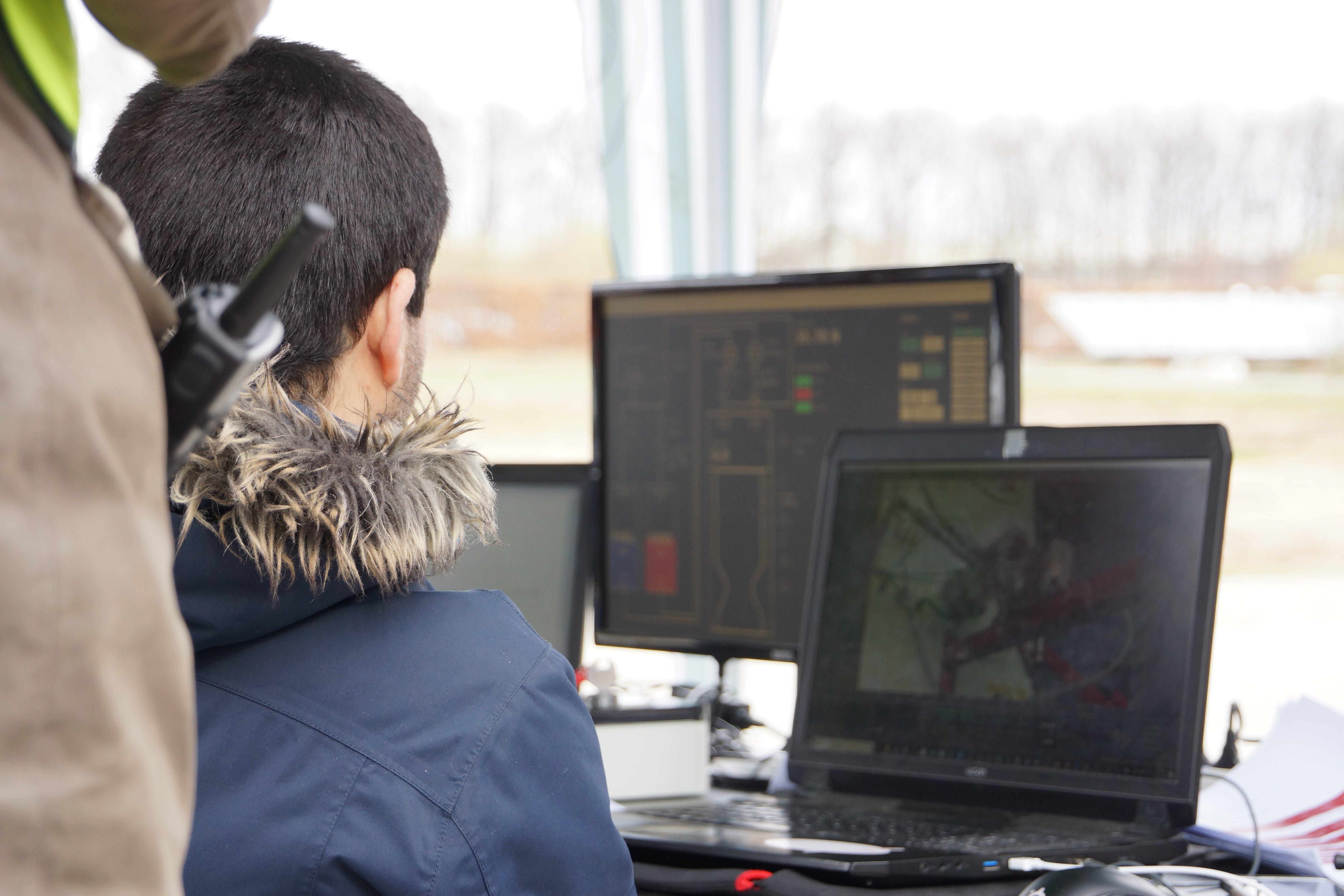
In order to achieve live communication, we wrote our own mission control software. This piece of software is written from the bottom up, contains several thousand lines of code, and allows us to monitor the vitals on the test stand before, during, and after engine test firings. With the click off a button every single valve on the test stand can be actuated exactly to the position that is required and the live sensor feedback will tell you about the system response.
Additionally, the mission control software also transmits the auto sequence parameters to the engine controller so that the flight stack can operate the engine autonomously and automatically turn of the engine if operation falls outside of specified parameters. Mission control is constantly iterated on as features get added and removed according to requests from the mechanical and electrical teams.